

- Rising copper demand from AI and United States focus on the Western Hemisphere will intensify U.S.-China competition in Latin America, including Las Bambas.
- Rare earths are now part of a broader U.S.-China package; Taiwan stance and United States politics will determine future deals.
- Tungsten and other AI critical metals will be the next battlegrounds as China dominates supply, raising value of Vietnam and Kazakhstan.
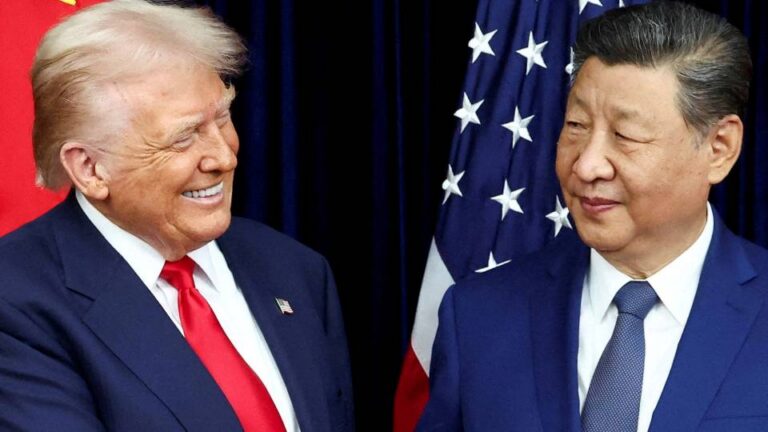
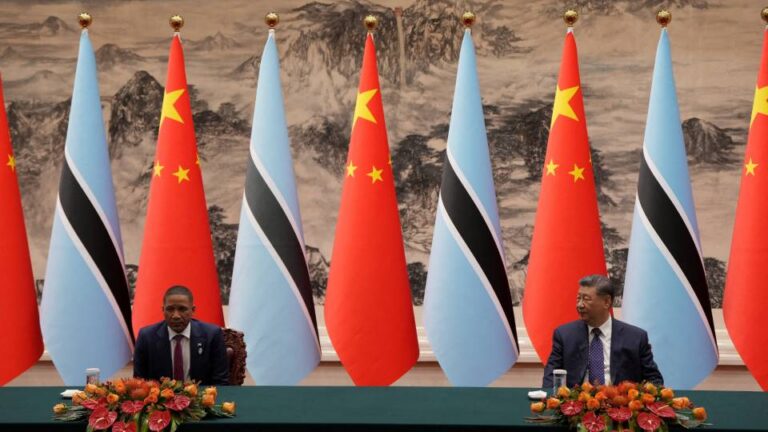
At September’s summit between Chinese President Xi Jinping and U.S. President Donald Trump, critical minerals were not a headline outcome. Instead of reaching a broader agreement, the two sides extended their temporary arrangement on rare earths and related export controls, pushing its expiration from November into January and effectively postponing the question of what comes next.
But the issue loomed larger than the official readouts suggested. The summit offered several clues about where the U.S.-China competition over critical minerals may be heading next.
Here are three trends to watch.
Trend 1: Copper and the New Competition for Latin America
One of the clearest areas of agreement to emerge from the summit was the cooperation on artificial intelligence. As the two superpowers accelerate investment in AI, demand for the minerals that will support AI infrastructure will also surge. While AI and critical minerals are sometimes treated as separate issues, they are more closely linked than one might expect.
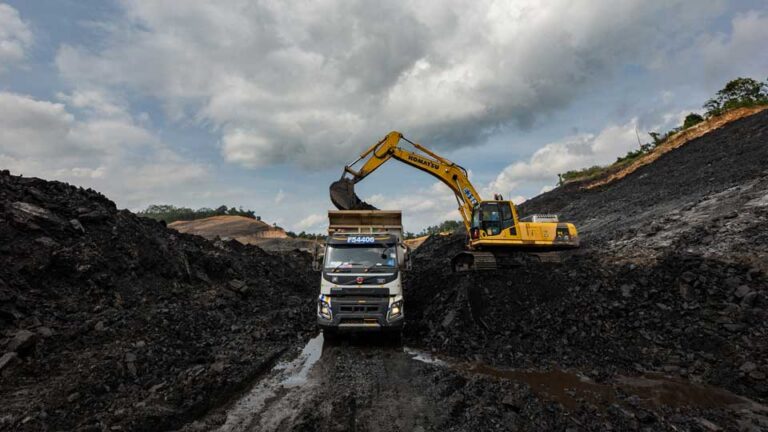
Copper plays a central role across the power sector, including in the electricity infrastructure needed to support AI computing and data centers. Market signals point the same direction: investment banks such as UBS have forecast a significant rise in copper prices in the coming years.
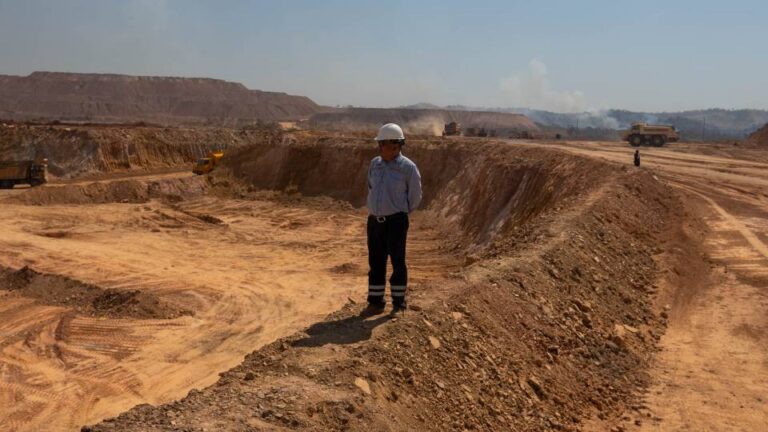
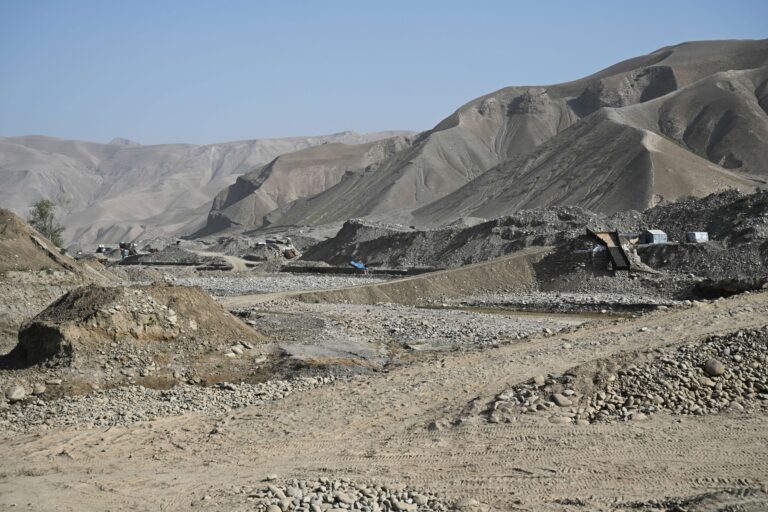
Copper is therefore likely to become a core critical mineral in U.S.–China competition across the Global South. Much of the world’s copper supply sits in Latin America, where China has deep commercial interests, including the Las Bambas mine in Peru.
At the same time, the Trump Administration’s renewed focus on the Western Hemisphere as a foreign policy priority will make Latin America a more contested arena for China. One question to watch is whether the shifting geopolitics in Latin America will affect China’s ability to maintain its position in the region’s mineral sector.
That question is especially relevant in 2026, as the region continues to absorb the political shifts triggered by last year’s elections while several more countries hold major votes this year. The upcoming runoff election in Brazil will be especially important to watch, given the potential for political change to reshape one of the region’s major critical minerals producer’s relationships with both China and the United States.
Trend 2: Rare Earths Are No Longer a Standalone Deal, but One Factor in a Broader Calculus
The summit reinforced the view that rare earths are no longer a standalone issue in U.S.-China relations, but part of a broader strategic calculation. Xi and Trump did not reach a long-term deal on rare earths, but instead focused on extending the existing arrangement for a short period.
As anticipated, Taiwan remains a key consideration for Beijing when making deals, regardless of what’s on the agenda. In its account of the summit, Beijing signaled how much Taiwan matters in China–US relations. Xinhua, China’s official state news agency, reported that Xi urged Trump to “adhere to the correct position of opposing Taiwan independence.” Meanwhile, the fact sheet released by the White House notably did not mention Taiwan at all, instead focusing on trade, strategic stability, and critical minerals.
This divergence raises an important question: to what extent will Washington’s position on Taiwan shape what happens once the short-term rare earths extension expires?
Another “big picture” item that may be holding back a bigger deal on rare earths is the U.S. midterm elections in November. It seems that Beijing is taking a ‘wait-and-see’ approach, paying close attention to the election results, since the outcomes could shift the political balance in Washington.
Rare earths deals do not exist in a vacuum. Future assessments of China’s rare earths aspirations should be mindful that Beijing is now approaching the relationship as a package deal rather than a standalone rare earths transaction, and this is a trend worth watching.
Trend 3: Tungsten and Other AI-Critical Metals as the Next Frontier
Looking ahead, other metals essential to AI computing will become a key focus of U.S.–China competition over resources in the Global South. In particular, this positions tungsten to become the next battleground in the competition for critical minerals.
China holds abundant tungsten resources and supplies around 80 percent of the world’s mined tungsten, which gives Beijing yet another advantage. As the U.S. looks for other ways to reduce its dependence on Chinese supply chains, alternative sources of tungsten may become more valuable. This could bring new attention to key tungsten producers such as Vietnam and Kazakhstan, which are likely to become important arenas in the geopolitical contest over tungsten.
The broader trend to watch is how the AI race could redraw the map of critical-mineral competition. As both the United States and China search for the resources needed to support their AI ambitions, countries that have traditionally attracted less attention could become far more strategically important.
Shu Wang is CGSP’s Non-Resident Fellow for Critical Minerals.