

- South Africa, Nigeria, and Morocco saw about 30% import growth this year, mainly intermediate goods like chemicals, machinery, and parts.
- In South Africa domestic makers, especially in machinery and automotive components, lost market share to Chinese exporters, weakening competitiveness, says Moody's.
- Elsewhere, less industrialized countries welcome cheap Chinese inputs that lower costs for manufacturers, builders, and farmers, reshaping the African debate on exports.
Chinese imports are pouring into three of Africa’s largest economies, South Africa, Nigeria, and Morocco, at a record pace this year, according to new data. But the impact is far from uniform. For some local producers, the surge is a serious competitive threat, while for others it means cheaper access to the inputs they need.
Imports of Chinese goods into all three countries are up around 30% so far this year compared to the same period in 2025. The bulk of these products are so-called intermediate goods like chemicals, machinery, and parts that are used to manufacture other products.
The pressure on domestic suppliers to compete with low-cost Chinese imports is most acute in South Africa, where Moody’s, a global ratings agency, warned that the country is becoming steadily less competitive due to its over-reliance on imports, particularly from China.
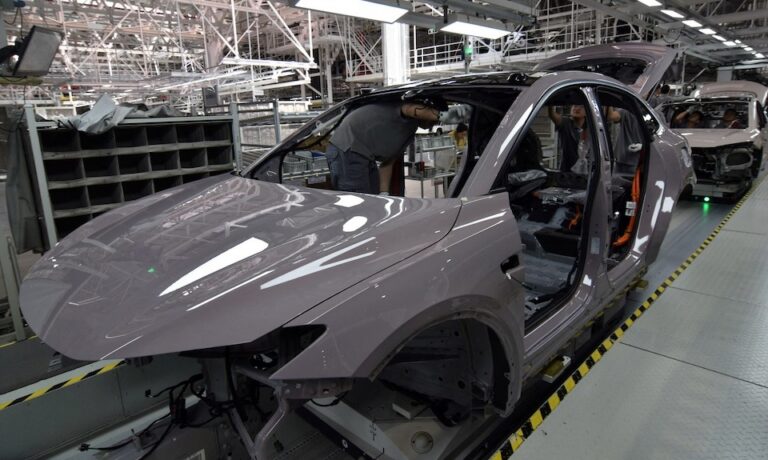
“This is particularly evident in machinery and automotive components, where domestic producers have lost market share to Chinese exporters over the past decade,” the company said in a recent report.
WHY IS THIS IMPORTANT? A lively debate is under way in African policy circles over whether the surge in Chinese exports is really a problem. In South Africa, home to the continent’s most established industrial base, the competitive pressure is real. Across most of the rest of Africa, it isn’t.
The reason is simple: most African countries don’t have chemical industries, auto plants, or machine-parts factories for Chinese imports to undercut. In those markets, the flood of low-cost intermediate goods from China is largely welcomed. Cheaper inputs lower costs for local manufacturers, builders, and farmers.
Too often, the debate over Chinese exports is framed by analysts in industrialized economies that face direct competition from cheaper Chinese goods. In less industrialized emerging markets, the view looks very different.