

- Chinese EV firms expand manufacturing abroad, showcased at the Paris Motor Show, with investments in Morocco enabling third-country production near Europe.
- African countries can gain jobs and manufacturing, but must secure tech transfer and local component production to avoid long term dependency on China.
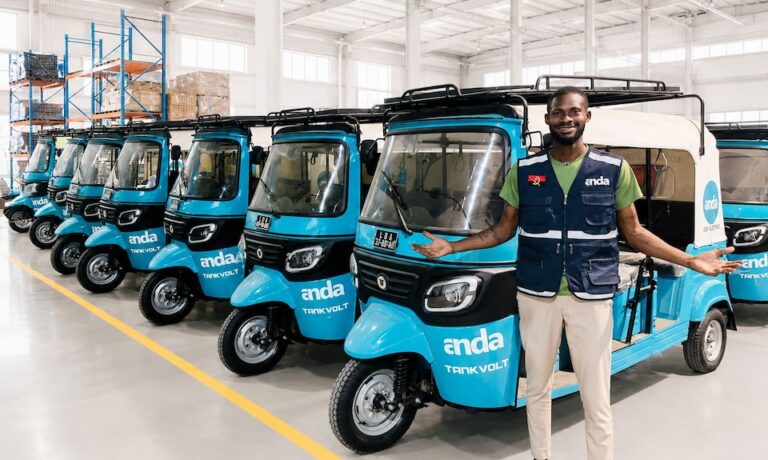
- Yutong and other firms offer technical training and CKD assembly, cutting costs but risking local industrial stagnation without stronger industrial policies in the Global South.
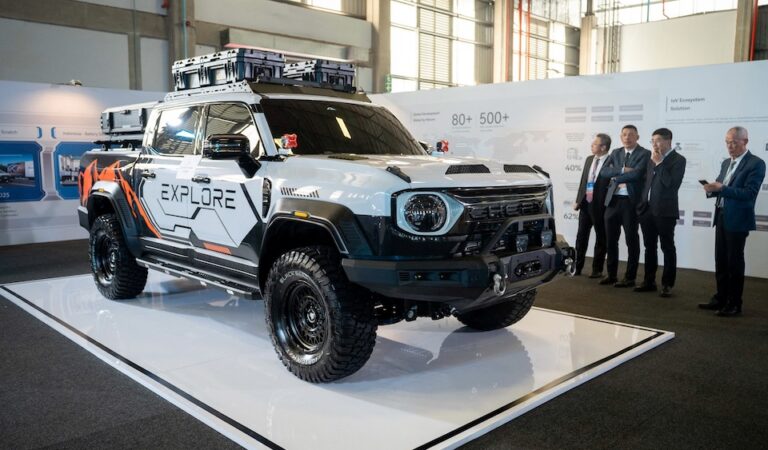
This year’s Paris Motor Show recalls the days when fashion shows in the French city made headlines worldwide. But the highlight this time is that a record 20 Chinese vehicle brands are exhibiting—twice as many as at the last show in 2024.
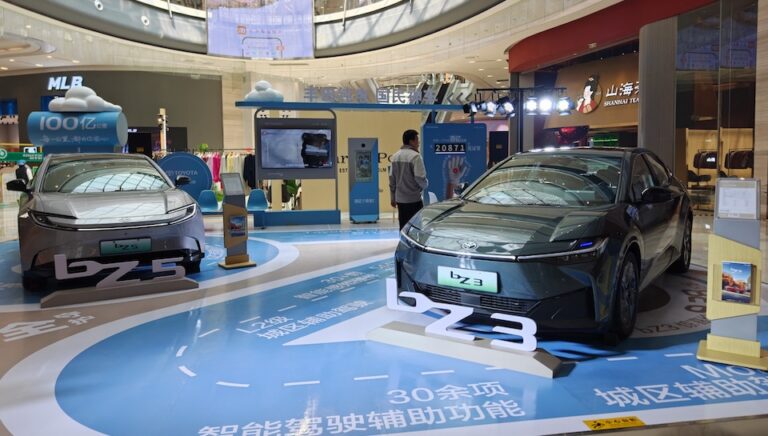
Chinese automakers now make up about a third of the carmakers taking part. With Chinese brands showcasing an extensive mix of plug-in hybrids (PHEVs), extended-range electric vehicles (EREVs), high-performance all-electric powertrains, and compact battery-electric vehicles (BEVs), this shows how determined they are to capture as many buyer segments as possible.
That’s not all. For a while now, Europe has been fretting not only about Chinese overcapacity across various sectors but also about automakers becoming geographically closer.
Morocco, just next door, has seen vibrant Chinese investment in the electric-vehicle sector, from batteries to vehicle production. This gives European countries all the more reason to get jittery about Chinese companies getting so close. As my colleague wrote in June, China-backed factories in Morocco are rapidly building an affordable EV value chain, threatening legacy European automakers’ market share and influence.
Chinese vehicles manufactured in third countries like Morocco will be subject to the host country’s quota—but will not count as having been manufactured in China. As part of a trade deal announced early this week, the EU and China agreed to cap Chinese hybrid car exports to the EU starting in December. This could give a lifeline to manufacturing aspirations in more Global South countries.
As European policymakers increasingly scrutinize and limit Chinese car imports, carmakers have even more reasons to build factories abroad.
At a glance, the Paris Motor Show reads like a Global North story. But whatever happens there this week will not be confined to the European market. Third-country manufacturing in Global South countries is a principal factor.
Depending on how export curbs on Chinese-manufactured cars play out, African countries, especially, could become the surprise winner from concerns about Chinese manufacturing overcapacity due to their proximity to Europe.
A side note for EV-skeptical buyers to consider: A report by global energy think tank Ember estimates that electric vehicles saved oil-importing countries $20 billion in crude oil imports in the six months since the U.S.-Israel war with Iran began, avoiding the consumption of about 200 million barrels amid the Strait of Hormuz energy crisis.
This week in the Chinese EV scene:
Popular Chinese Car Brands Missing From South Africa’s Safety Recalls
South Africa’s National Consumer Commission (NCC) has issued more than 50 vehicle recalls so far this year—but none of the popular Chinese models featured on that list except one: SAIC’s MG3. The reason for the lack of recalls, according to South Africa’s consumer rights journalist, Wendy Knowler, is not that the Chinese brands are perfect but that they are not reporting their recalls to the NCC like they do in other markets. This is despite the country’s recall guidelines.
Why This Matters: Imagine a crash that results in injury or a fatality because the driver didn’t know the vehicle they were driving had a weakness. This is how Chinese brands, which are becoming popular in South Africa, could lose buyers’ confidence. If this becomes a bigger story, it could raise concerns and cost Chinese automakers credibility.
Botswana Mulls Partnering With Chinese Stakeholders to Build E-Mobility Hub
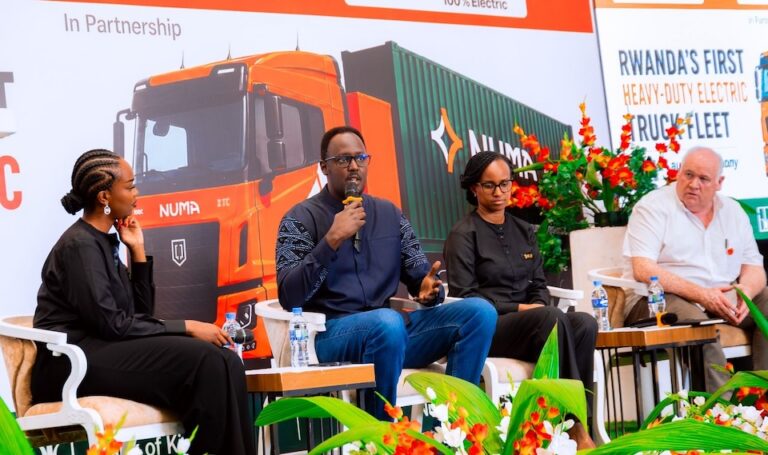
Botswana is seeking to establish itself as an e-mobility hub in partnership with Chinese players. Already, a site for the hub, which would produce EV components and assemble vehicles, has been identified in the Serorome Valley.
Why This Matters: Botswana, like many other African countries, hopes to reduce reliance on imports by building local industries. While China has the advantage of speed and scale, countries that tap into their expertise could become more industrialized than those that rely fully on imports or stop at local assembly of imported components.
Yutong Offers Technical Training in Five African Countries
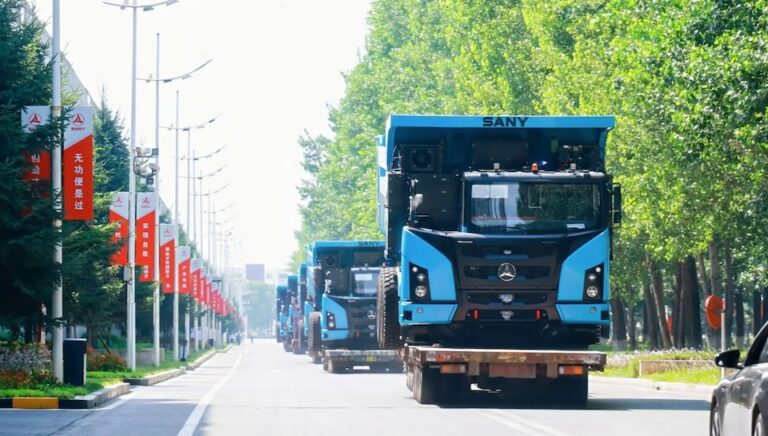
Chinese bus manufacturer Yutong has been offering technical training in the Democratic Republic of the Congo, Zimbabwe, Mozambique, Tanzania, and South Africa. The training targets local technicians and the company’s partner teams and covers internal combustion engine (ICE) and electric vehicles.
Why This Matters: Many Chinese vehicle brands operate on thin profit margins at home, and that trend is promising to spill over into their export markets. Amid this competition, automakers are taking different approaches to ensure that they lock in buyers—approaches which often extend beyond the vehicles. This is becoming a trend: many Chinese companies are offering more than after-sales services, using local expertise to cut waiting times for maintenance and other services.
South Africa Announces Major EV Manufacturing Investment
A Chinese company is set to build a new energy vehicle manufacturing project in the Maluti-a-Phofung Special Economic Zone in South Africa’s Free State region. The facility is expected to produce up to 8,000 vehicles annually, with projections that it will create 1,500 direct jobs over five years.
Why This Matters: African countries are struggling with a ballooning unemployment crisis. Once implemented, the project could help with local employment. The broader investment package also includes renewable energy, which could also contribute to addressing South Africa’s energy supply problems.
China’s Wuling Launches the Porta EV Commercial Van
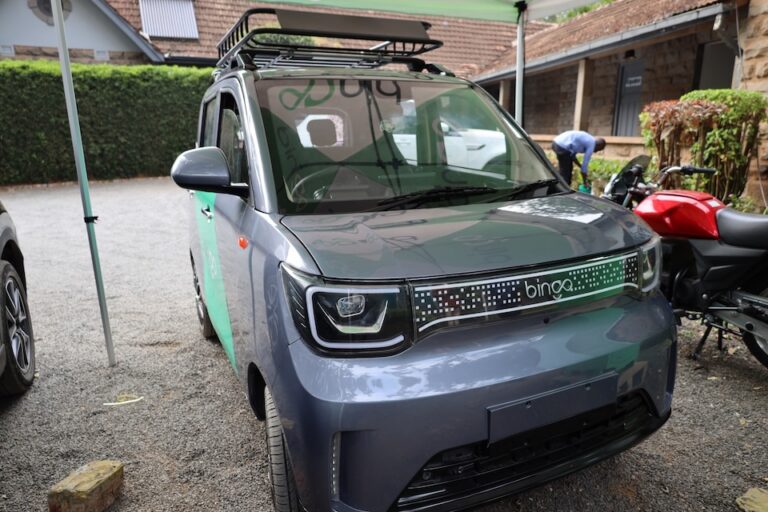
Wuling has officially launched the new TQ Wuling Porta EV in Malaysia, its second vehicle following the release of the Bingo EV last year. Just like the Bingo EV, the Porta EV is being locally assembled from completely knocked down (CKD) kits atTan Chong Motor’s plant in Jalan Segambut, Kuala Lumpur.
Why This Matters: Local vehicle manufacturing in many Global South countries often comes in the form of locally assembling imported vehicle components from China. While Malaysia’s vehicle industry is not nascent, EV partnerships with Chinese automakers will not only accelerate production but also enhance local input across the EV value chain including skills and technology customization, which could help with producing vehicles suitable for the local market.
Chinese Automakers Reach 12% of New-Vehicle Registrations in Argentina
A report published last week shows that in September, Chinese brands accounted for about 12 percent of Argentina’s new light-vehicle registrations. The report, derived from the vehicle dealers’ association ACARA, shows that at least 24 Chinese brands registered vehicles in the country in that period.
Why This Matters: Argentina is among the countries in South America setting the pace for EV adoption. As Chinese brands expand their footprint, local manufacturing is also likely to gain momentum. An open-market policy by President Javier Milei allows 50,000 tariff-free electric and hybrid vehicles to enter the country, which could partially explain the surge in numbers.
BYD Dominates Brazil’s September Battery-Electric Registrations
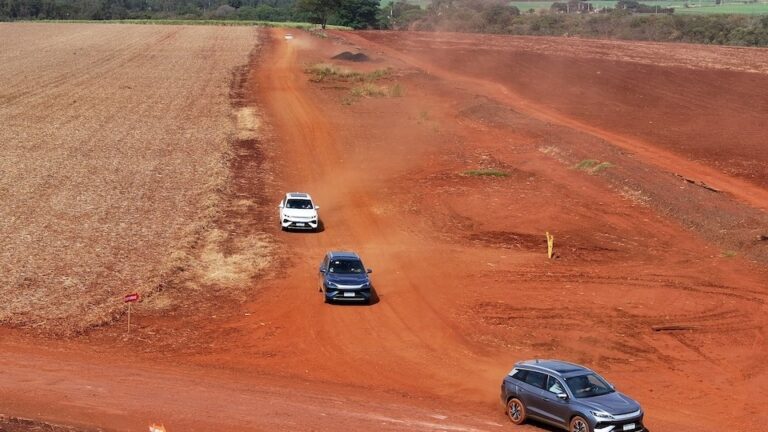
Data from the Brazilian Electric Vehicle Association (ABVE) shows that BYD accounted for almost two-thirds of Brazil’s battery-electric vehicle (BEV) registrations in September. Out of the registered 22,246 battery-electric vehicles in September, BYD increased its share despite lower volumes, while other Chinese brands like GAC and GM gained ground, with others like Geely and GWM falling sharply.
Why This Matters: Short-term trends suggest the contest for market dominance among Chinese automakers will continue to play out in the near future, which may prompt Chinese government interventions, similar to those at home, to reduce pricing wars. But this could also slow down if import markets and their governments push for more localized production.
In Context:
China’s growing dominance in electric vehicles is creating opportunities for Global South countries to cut fuel and vehicle costs, reduce exposure to oil-price shocks, and attract manufacturing investment, but cheaper imports and local assembly alone will not build lasting industrial strength. As Chinese automakers expand production, training, and supply chains across Africa and Asia, governments must negotiate for deeper technology transfer, local component manufacturing, and homegrown engineering rather than becoming dependent on Chinese parts, expertise, and production decisions.
The Takeaway:
There are numerous opportunities and risks in China manufacturing for Global South countries where they can build and enhance capacity to capture value from the e-mobility shift. But without a process that includes technological ownership and autonomy, these countries risk becoming even more dependent of China, locking them into perpetual import cycles.
So without a definitive local manufacturing shift, China could undercut local manufacturers, capture much of the value created by the EV transition, and leave economies with assembly plants but countries that innovate beyond assembly could turn the competition into jobs, industrial capacity, and greater economic independence.