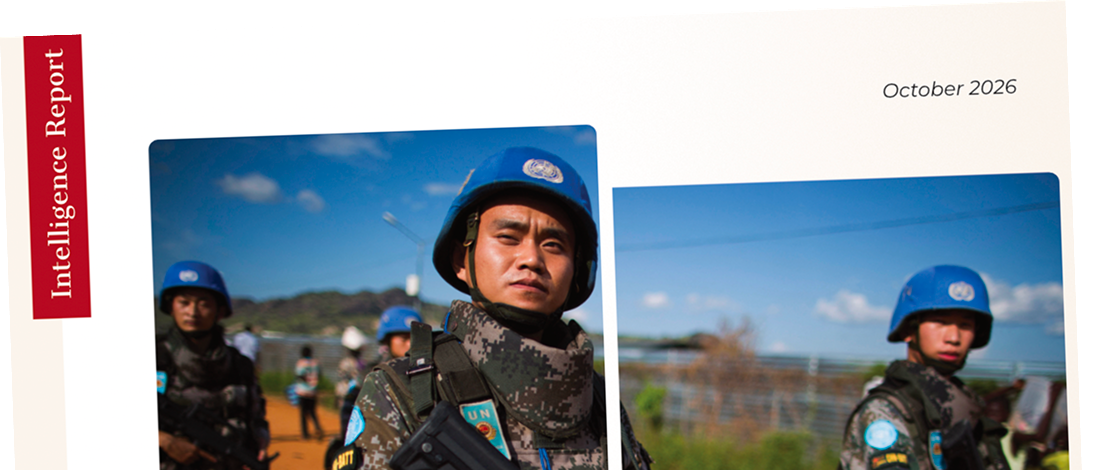
China has gradually expanded its military and security cooperation with African countries, especially since the establishment of the Forum on China–Africa Cooperation (FOCAC) in 2000. Beyond traditional areas of engagement like peacekeeping and naval escorts, security cooperation now encompasses digital and public security, overseas interests, and infrastructure protection, as well as security governance under the Global Security Initiative (GSI).
As these activities have diversified across countries, sectors, and institutions, academic and policy interest has grown significantly. Yet, evidence of these types of engagements remains dispersed across academic and case studies, official announcements, and sector-specific reporting, making it difficult to see broad continental trends and changes over time.
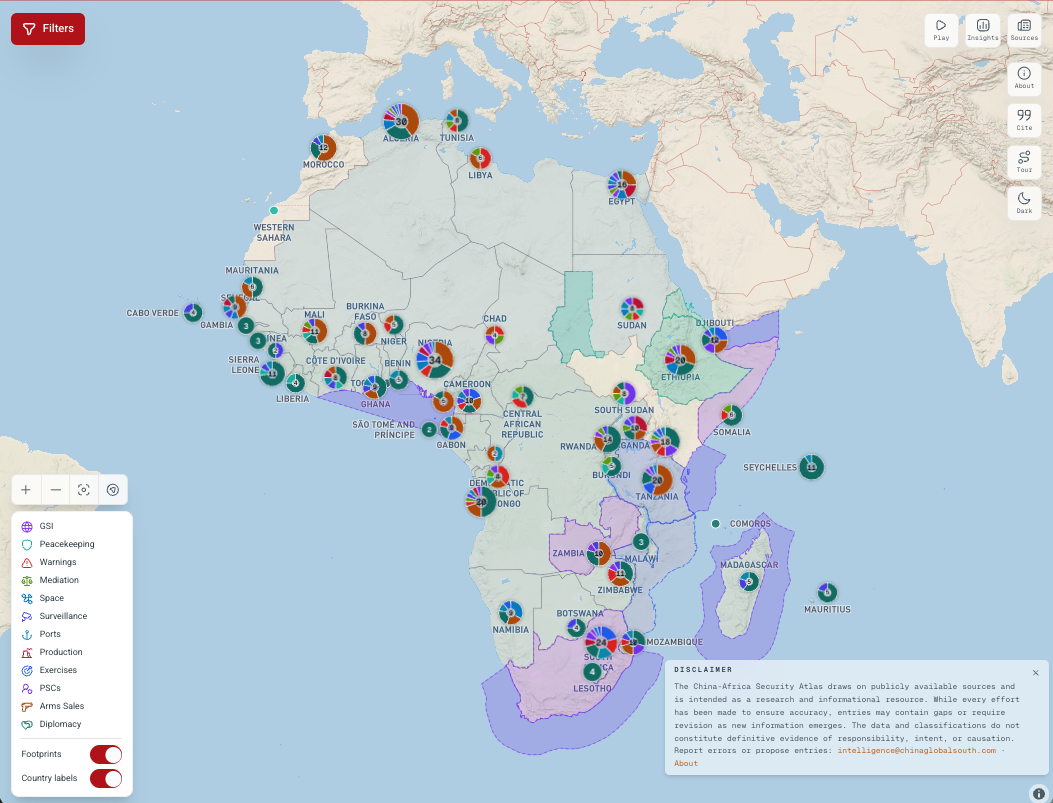
To address this gap, the China-Global South Project (CGSP), in collaboration with the China Africa Security Radar (CASR) Substack, has created the China-Africa Security Atlas to present a fuller picture of this evolving relationship. Drawing on more than 700 open-source materials, the Atlas organizes and presents approximately 500 publicly documented engagements across 12 categories covering the period from 2000 to early 2026.
Key Findings
- Military and police diplomacy form the connective tissue and institutional infrastructure for building deeper security cooperation. It is the largest category of engagement.
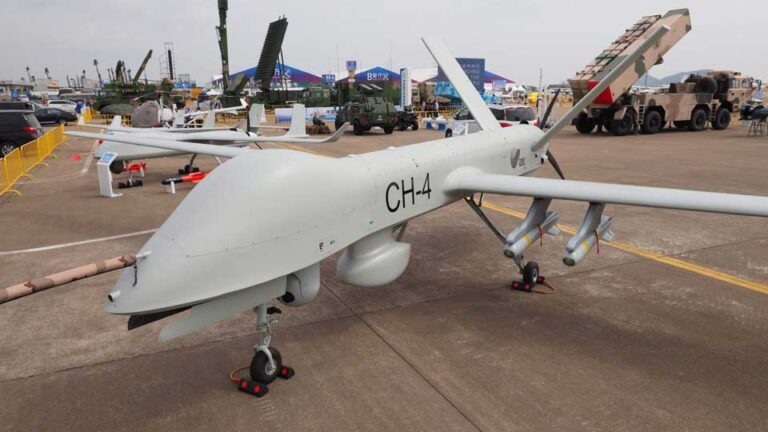
- Arms sales are the second-largest category of engagement. China is increasingly positioning itself to meet African demand for advanced weapons systems and has become an important supplier for entities facing Western sanctions.
- Defense-industry development is a new and growing area in China-Africa military and security cooperation. Partnerships for local arms production and joint defense ventures position Chinese defense firms to play a crucial role in partner countries’ defense industrialization and modernization.
- Port access across African coastlines is supporting China’s growing blue-water naval ambition and counter-piracy operations, beyond the PLA’s naval base in Djibouti.
- Provision of Chinese dual-use technologies is growing rapidly in Africa, particularly in the form of surveillance technologies and space infrastructure.
The findings reveal a broad and multilayered relationship where diplomacy, arms transfer, technology, infrastructure, and risk management increasingly reinforce one another. The implications of this deepening relationship will depend not only on China’s ambitions but also on how African states use these partnerships to strengthen local capacity while preserving strategic autonomy.