

- CATL's five-minute battery swapping could speed freight logistics across the Global South, enabling new swapping, servicing, and recycling businesses.
- BasiGo partnerships create local service centers for CATL batteries, cutting repair times, supporting recycling, and enabling technology transfer and localization.
- Chinese technology access is not ownership; countries must localize production, engineering, and battery capabilities to avoid long term dependence.
The logistics of shifting from gas-powered transport to electric mobility have long been a sticking point of the e-mobility revolution. This week’s battery news should be a hit for logistics companies: The world’s largest battery maker, China’s Contemporary Amperex Technology Co., Limited (CATL), introduced a five-minute battery-swapping system.
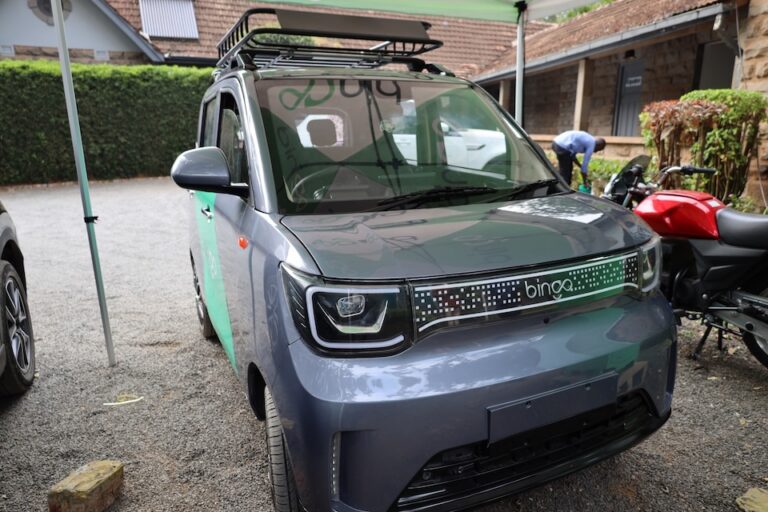
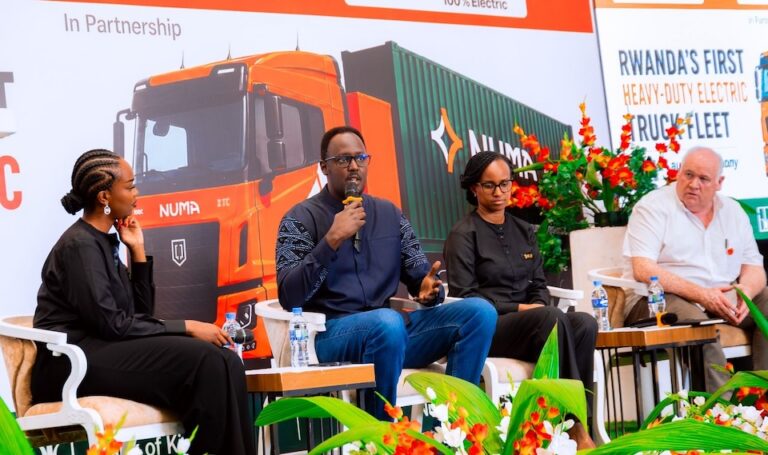
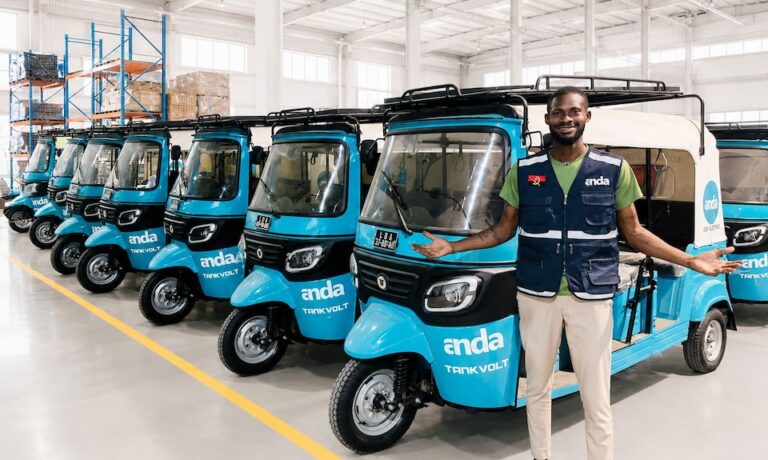
One example is Kenya’s BasiGo, which partnered with CATL last year to serve as the company’s authorized service agent in Sub-Saharan Africa. Under the agreement, BasiGo provides full service and support for CATL battery products across all vehicle types in Africa.
This access to CATL will make technology transfer and localization much easier.
BasiGo service centers in Kenya and Rwanda repair CATL battery systems used in the company’s buses and other electric vehicles built with CATL technology. Additionally, the centers also act as collection points for end-of-life CATL batteries, supporting safe disposal and sustainable recycling efforts.
Because EV batteries are central to EV performance, these local service centers cut repair times and make vehicles more reliable.
CATL is betting that the future of electric freight depends on spending less time charging and more time on the road. For African countries, the five-minute charging system adds another layer for players like BasiGo, who build the systems that enable e-mobility.
Still, while it may take time to roll out the networks needed to make battery swapping as easy as filling up at a gas station, innovations in EV battery technology are moving toward making the switch to electric easier for those concerned about how long it takes to fully charge an EV.
This week in the Chinese EV scene:
Zimbabwe Scraps Import Duty on Fully Electric Heavy Trucks
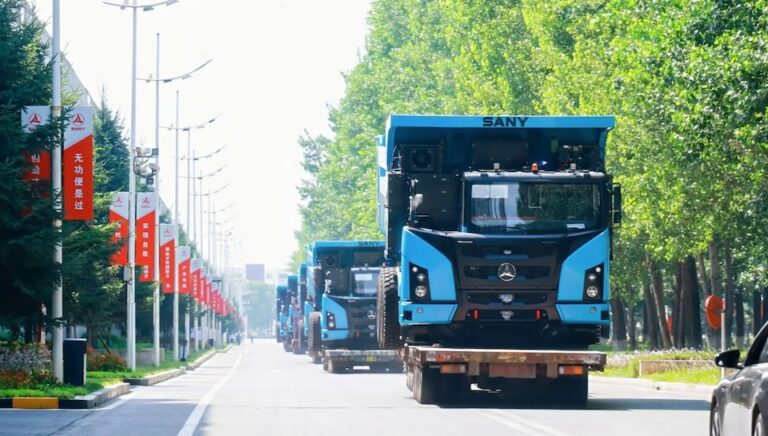
Zimbabwe has scrapped the 25% import duty on fully electric trucks weighing more than five tons. The move aims to accelerate adoption in mining, construction, and freight transport while reducing exposure to diesel costs.
Why This Matters: While the policy creates an opening for manufacturers such as SANY and others to expand their presence, cheaper imports alone will not build Zimbabwe’s vehicle industry without investment in local assembly, maintenance skills, charging infrastructure, and component manufacturing. This policy indirectly opens other auxiliary opportunities which could help accelerate job creation and technical expertise around electric vehicles.
Truckmaker SHACMAN Signs African Service Alliance Agreement
China’s heavy-moving-truck company, SHACMAN, gathered more than 1,800 dealers, customers, and industry partners from nearly 100 countries in Xi’an to strengthen global partnerships and accelerate its international expansion. On Tuesday, the truckmaker unveiled new powertrain technologies and electric and hybrid trucks, launched integrated new-energy transport solutions, and signed an African service alliance agreement while marking a milestone delivery of trucks to the continent.
Why This Matters: SHACMAN’s new Africa service alliance and major export order signal deeper Chinese involvement in the continent’s trucking and logistics sectors, potentially expanding access to heavy-duty vehicles, spare parts, and after-sales support. Its push into electric and hybrid trucks also gives African transport operators new options to reduce fuel costs and diversify energy use, provided charging infrastructure and vehicle economics become more viable.
Chinese Two-Wheeler Brands Continue Expansion in Vietnam
Chinese electric two-wheeler brands, including YADEA, AIMA, and TAILG, are expanding in Vietnam as demand for greener transportation grows in Hanoi and other major cities. The companies are widening their sales networks and promoting local production to meet demand and use Vietnam as a gateway to Southeast Asia.
Why This Matters: Vietnam’s proximity to China gives these Chinese electric motorcycle brands a logistical advantage in expanding distribution networks and establishing local production to serve Vietnam’s growing demand for cleaner transport.
With Hanoi tightening motorcycle emissions and traffic policies, Vietnam could become a strategic manufacturing and export hub for Chinese electric two-wheelers targeting the wider Southeast Asian market.
BYD Appoints Malaysia’s Inokom as Its Local Assembly Partner
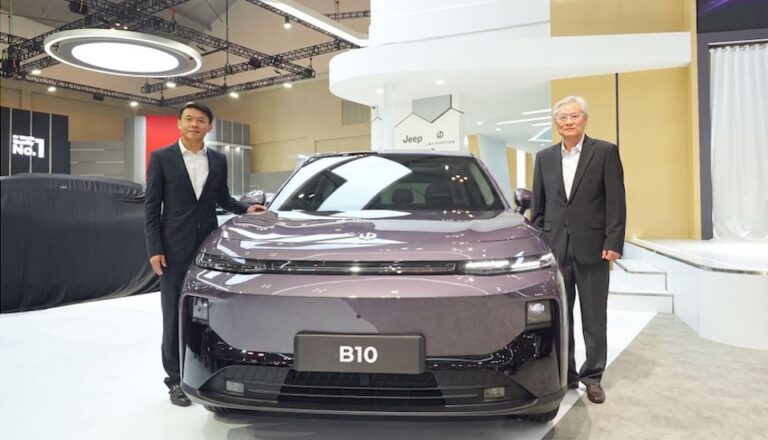
BYD has appointed Sime Motors’ Inokom Corporation to assemble its electric vehicles locally in Kulim, Malaysia, shifting from its earlier plan to build a dedicated local BYD factory as it adapts to the country’s evolving EV policies and manufacturing requirements.
The partnership lets the Chinese automaker leverage Malaysia’s existing automotive infrastructure and deepen its regional presence.
Why This Matters: BYD’s decision to assemble EVs through Inokom strengthens Malaysia’s position as a regional automotive manufacturing hub, bringing Chinese EV technology into an established local production network while creating opportunities for domestic suppliers and workforce development. This is important because operations will not be locked into the BYD ecosystem and Inokom could become a platform to not only localizing BYD tech but also learning from what BYD offers to build local mobility solutions.
With BYD abandoning its planned standalone factory, the sector’s long-term gains will depend on how much local production, technology transfer, and supplier integration the partnership delivers beyond vehicle assembly.
Jetour Launches the S08 Premium Plug-in Hybrid SUV in Brazil
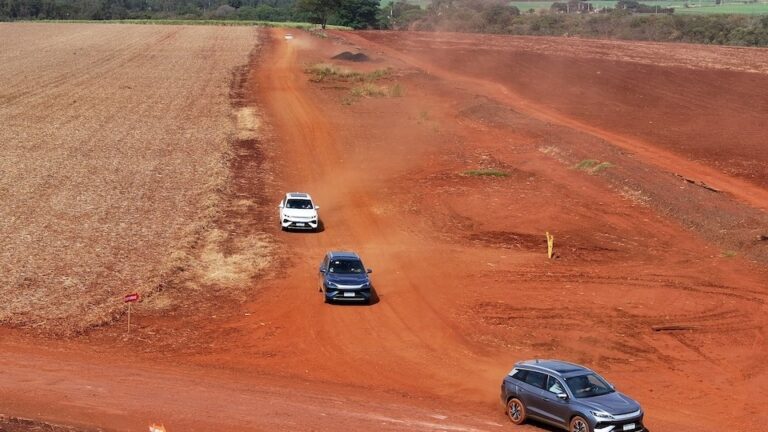
Chinese automaker Jetour has launched the S08 Premium, a seven-seater plug-in hybrid SUV, in Brazil. The model combines a 1.5-liter turbocharged gasoline engine with an electric motor, using an 18.4 kWh battery.
Why This Matters: The Jetour S08 launch underscores how Chinese automakers are intensifying competition in Brazil by offering premium technology and family-oriented features at prices that challenge established players. The vehicle’s arrival puts pressure on automakers to improve value and rethink pricing strategies, while testing whether newer Chinese brands can overcome dealership-network and after-sales-service gaps to gain lasting market share.
China’s HORWIN Secures First Electric Two-Wheeler Order in Brazil
China’s Haowan New Energy is entering Brazil’s distribution market in bulk for the first time, with support from the Service Center for Economy and Trade between China and Portugese/Spanish-speaking Countries (CECPS). The move signals a push to expand Chinese electric motorcycles in Latin America.
Why This Matters: Haowan’s entry into Brazil’s distribution market suggests that, beyond their muscle, Chinese vehicle companies will also use trade networks to expand their reach in Latin America.
In Context:
CATL’s five-minute battery-swapping technology could help create new business opportunities in battery servicing, swapping stations, fleet management, and recycling. Partnerships such as CATL’s with Kenya’s BasiGo could build local technical expertise and make Chinese EVs more practical to operate.
The Takeaway:
Even with improved technology, Global South countries need to understand that access to Chinese technology is not the same as owning it. This means these countries must turn these partnerships into local engineering, component production, and homegrown battery capabilities, or risk remaining dependent on Chinese suppliers while cheaper, more advanced imports undermine domestic industries that fail to innovate beyond assembling imported components.