

- Record $1.2 trillion surplus, critics say China's subsidies create overcapacity and push cheap exports that hurt other manufacturers.
- Supporters argue decades of investment in industries and supply chains gave China a competitive edge, critics call it protectionism by U.S., Europe, Japan.
- In the Global South, cheap Chinese components and machinery can lower production costs, aiding industrialization in places like Kenya and Laos.
China is on track to surpass last year’s record $1.2 trillion goods trade surplus. The scale is staggering, underscoring just how much the rest of the world buys from Chinese factories.
Critics accuse Beijing of fueling overcapacity through subsidies and other incentives that sustain production beyond what markets can profitably absorb, pushing cheap exports overseas and making it harder for manufacturers elsewhere to compete.
Nonsense, say China’s defenders! They argue that China spent decades investing in the industries, technologies and supply chains that now give its manufacturers a competitive edge. In their view, the U.S., Europe and Japan are crying foul because they’ve fallen behind, using accusations of overcapacity to justify protectionism.
Too often, though, international media coverage and social media debate frame China’s export boom as an outright negative for the global economy. If you’re a manufacturer in the U.S., Germany or France competing with the dreaded “China Price,” well, that’s understandable.
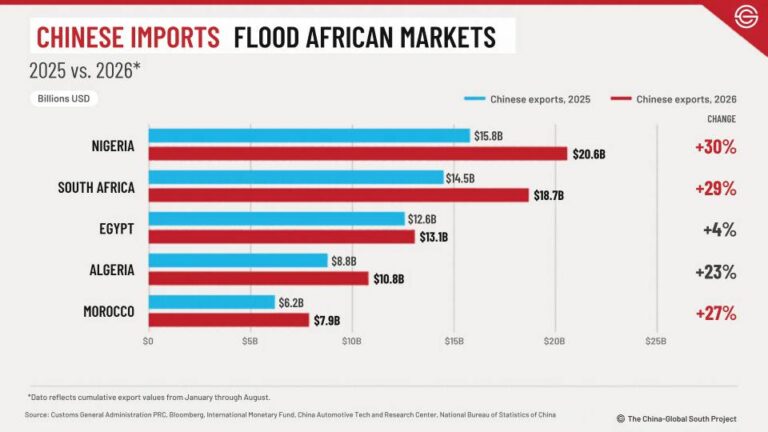
But things can look very different in Kenya, Laos and other largely agrarian economies across the Global South. For businesses that rely on imported chemicals, components, machinery, and energy equipment, low-cost Chinese supplies can make local production vastly more affordable.
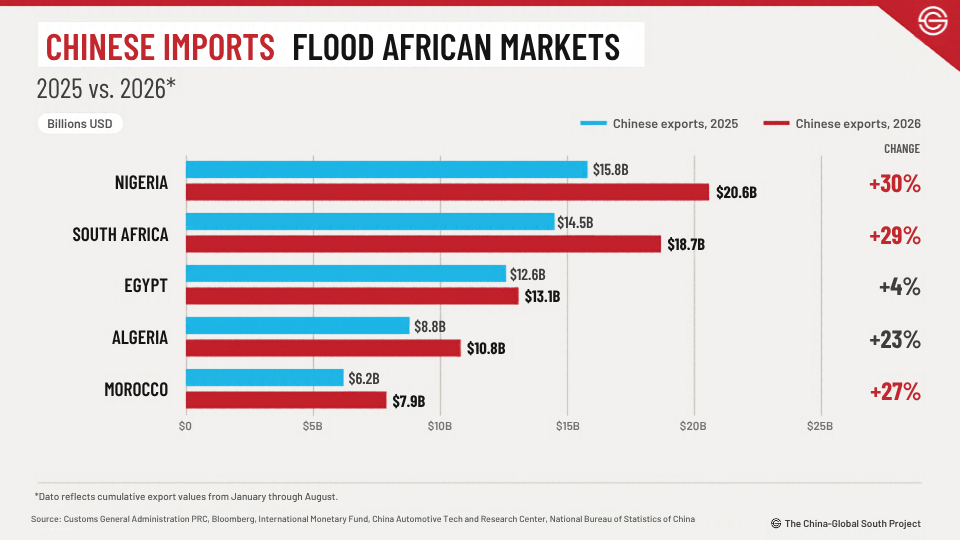
This is an important nuance in the debate that’s too often overlooked. Imported goods often work with local manufacturers in some developing countries, but they can also supply manufacturers in those places with the tools and materials they need to grow.
From that vantage point, cheap Chinese goods, even subsidized ones, can be a blessing. They can lower the cost of making things locally and help businesses move into more sophisticated production. Those benefits aren’t automatic, and local industries can still get squeezed.
So, be careful not to accept the prevailing narrative that China’s export boom is uniquely negative. That’s certainly true in some cases, but not all.