
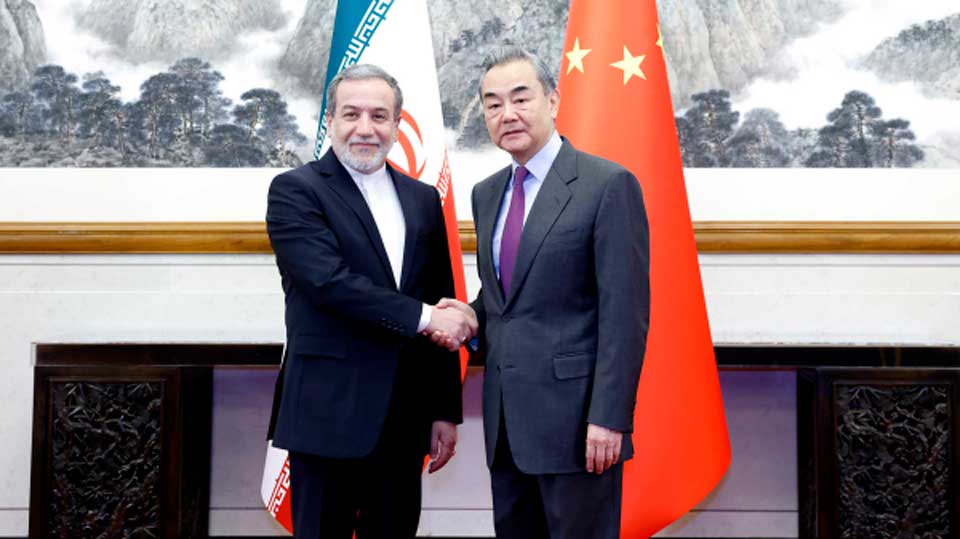



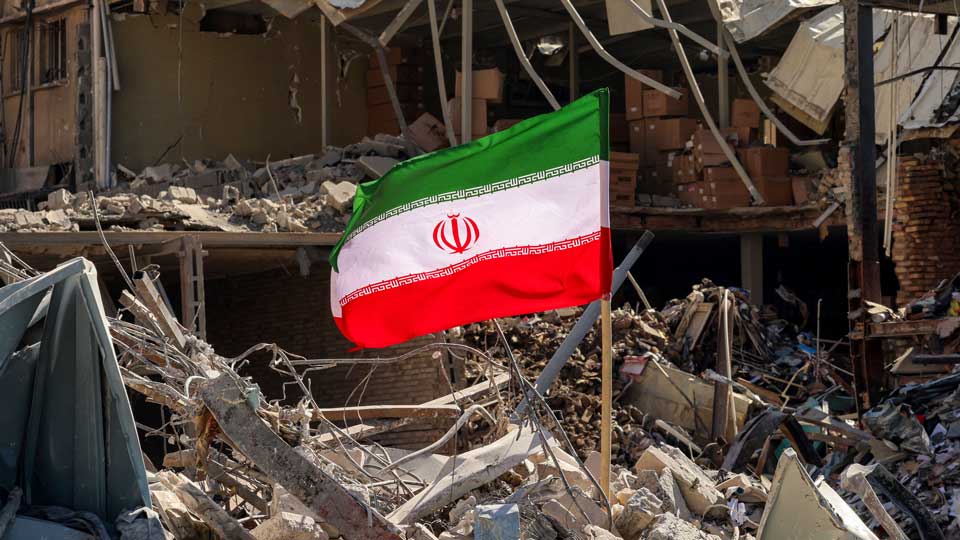
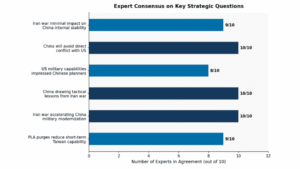
China’s response to the war in Iran exposes a fundamental misunderstanding of Beijing’s foreign policy. While Western analysts interpret its reluctance to provide military support as evidence of strategic weakness, China’s partnerships do not carry the same security obligations as U.S. alliances. Beijing’s approach reflects a deliberate preference for strategic autonomy over binding military commitments.


China’s technological ecosystem is advancing rapidly across several industries, shaping the global economy: electric vehicles, artificial intelligence, solar energy, and digital platforms.
Explore how Chinese innovation, manufacturing, and markets in the Global South are reshaping global tech leadership.


In the palm of a hand, a corporate empire is crumbling. A billionaire CEO has...


China has gradually expanded its military and security cooperation with African countries, especially since the...

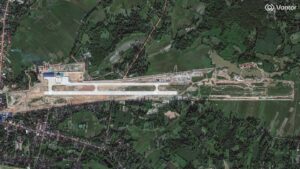
China's military has set up an aviation training center in Laos, at Ban Keun airport...

As U.S.-Ukraine relations sink to one of their lowest points in years, Chinese nationalist commentators...

African ownership of the continent’s vast mineral wealth took center stage during an October meeting...

Chinese-made technology products have long been part of everyday life in Indonesia. For many years,...


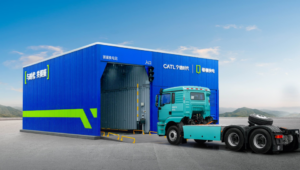
The logistics of shifting from gas-powered transport to electric mobility have long been a sticking...

India’s ambition to become a global power in artificial intelligence is increasingly shaped by a...

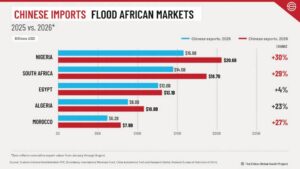
Chinese imports are pouring into three of Africa’s largest economies, South Africa, Nigeria, and Morocco,...
China is on track to surpass last year’s record $1.2 trillion goods trade surplus. The...


RESEARCH & COMMENTARY
PHOTO ESSAY: Chinese Microdramas Hook Indonesian Viewers and Push Dubbing Studios to Their Limits